
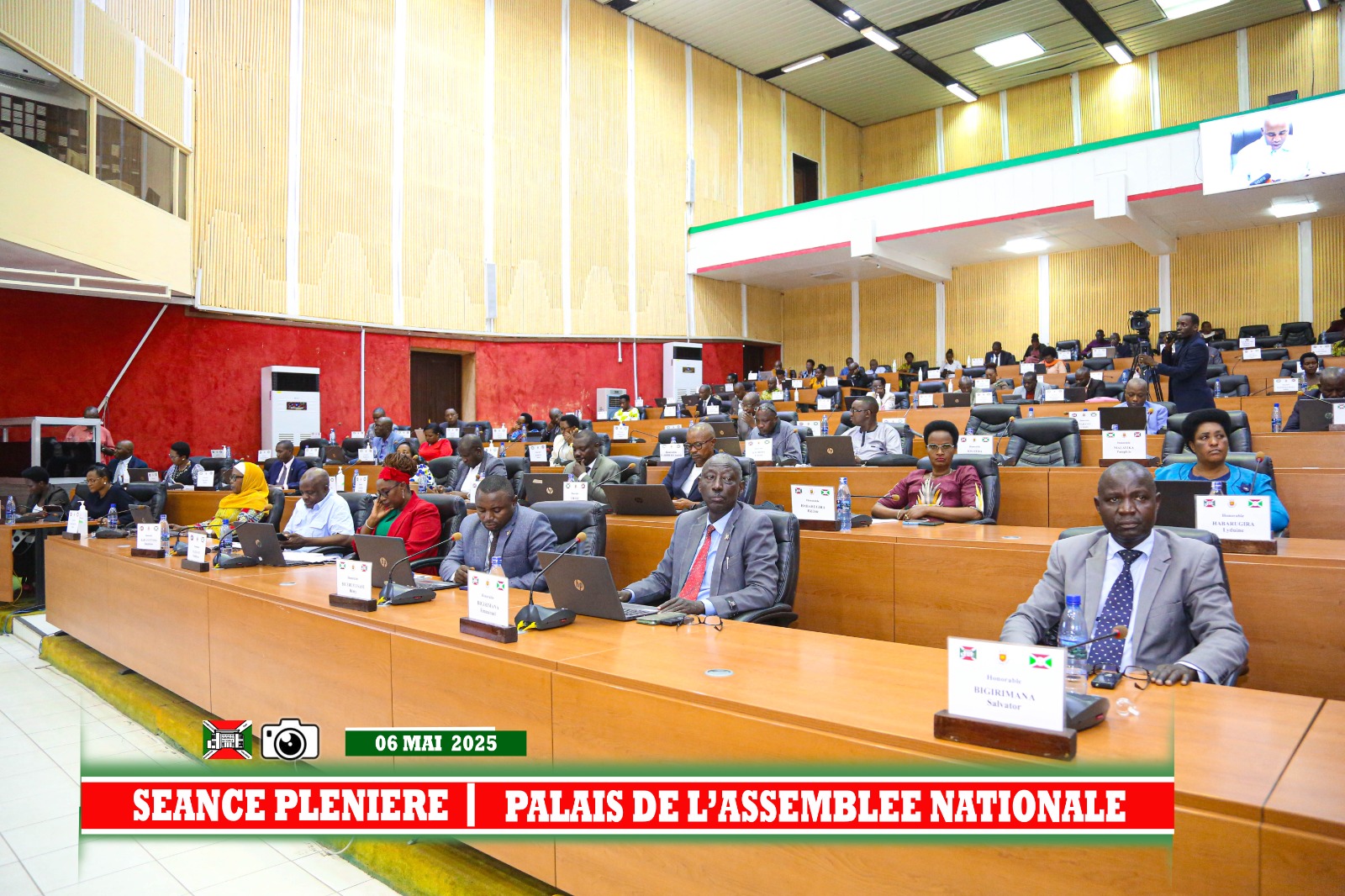
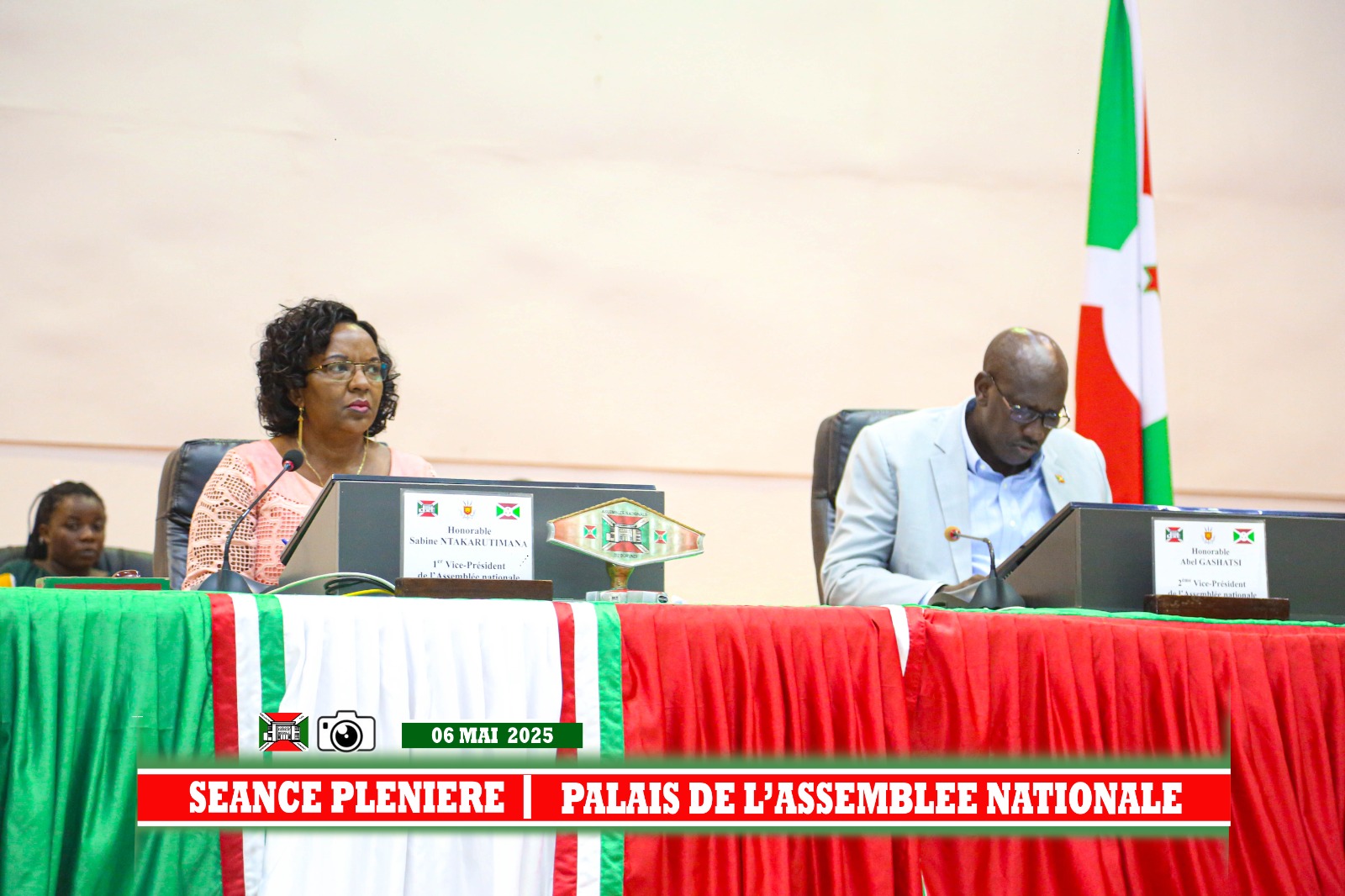
Bujumbura (Burundi) — In Burundi Parliament Election, Burundi’s ruling party, CNDD-FDD, has won all 100 contested seats in the National Assembly, sparking a wave of outrage from opposition groups and civil society. As the electoral commission announced provisional results showing a 96.51% victory for the ruling party, opposition leaders quickly rejected the outcome.
Uprona and CNL Condemn Results
The Uprona party, which placed second with only 1.38% of the vote, immediately denounced the results. Party leader Olivier Nkurunziza called the election “rigged” and declared, “We have killed democracy.” He further pointed to districts where the ruling party allegedly secured 100% of the vote with no invalid ballots or abstentions, which he labeled “implausible.”
Meanwhile, the National Congress for Liberty (CNL) — formerly the main opposition force — received only 0.6% of the vote. Notably, the CNL was barred from participating in the elections. Its members reported forced voting, pre-filled ballots, and the arbitrary imprisonment of party observers.
Widespread Allegations of Electoral Fraud
In addition to opposition outcry, Human Rights Watch (HRW) raised serious concerns about the integrity of the election. The group stated that democracy in Burundi had been “hollowed out” and accused the CNDD-FDD of systematically dismantling all meaningful opposition.
Furthermore, several journalists and voters, speaking anonymously due to fear of reprisals, confirmed reports of widespread irregularities. These included restricted polling access, blocked election monitors, and intimidation from the ruling party’s youth militia, the Imbonerakure.
Moreover, the Catholic Church, which had dispatched observers, reported that many of its monitors were denied entry to polling stations, raising further questions about transparency.
AU Praise Sparks Backlash
Despite these troubling developments, the African Union (AU) praised the elections, describing them as peaceful and transparent. This statement drew sharp criticism from both local and international observers, who accused the AU of turning a blind eye to widespread evidence of electoral manipulation and political suppression.
Silence in Bujumbura Reflects Public Disillusionment
As the results were announced on June 11, there were no celebrations in Bujumbura, the capital and largest city. Instead, the atmosphere was one of frustration, fatigue, and fear. Many residents, already burdened by severe economic challenges, viewed the election as a foregone conclusion.
The Constitutional Court is expected to certify the final results by June 20.
Parliament Expands to Meet Ethnic Quotas
In line with the Arusha Accords, which ended Burundi’s civil war, the ethnic composition of parliament must reflect the country’s Hutu, Tutsi, and Twa populations. To address imbalances, the electoral commission announced an expansion of parliament, adding 11 extra seats, bringing the total to 111 MPs.
Economic Crisis Worsens
Compounding political tension is a deepening economic crisis. According to the World Bank, Burundi remains the world’s poorest nation by GDP per capita, with 75% of its 12 million people living below the poverty line.
Moreover, inflation is soaring, exceeding 40% per month. Severe fuel shortages have persisted for three years, with queues stretching hundreds of meters as citizens wait days for petrol. Burundi now holds less than one month’s worth of foreign currency reserves, far below the regional standard of four months.
Analysts Warn of Democratic Decline
Due to the increasingly repressive environment, many analysts declined to comment, fearing government retaliation. One expert, speaking on condition of anonymity, said the elections were “tailor-made for the ruling party.” Alarmingly, some CNDD-FDD officials have floated the idea of reinstating a one-party system.
Government Claims Progress Amid Criticism
President Évariste Ndayishimiye, who assumed office in 2020 after the death of Pierre Nkurunziza, maintains that Burundi is improving. He claimed residents of Bujumbura “look better than in 2005,” highlighting improvements such as buying shoes and building homes.
Nevertheless, critics argue that only transparent governance, political pluralism, and fair elections can pull the country out of crisis. For now, the future of Burundi’s democracy remains uncertain, as public trust erodes and the ruling party tightens its grip on power.
Burundi Parliament- Inama Nshingamateka (National Assembly)
Pan-African Parliament Hosts 12th Annual Speakers’ Conference
African Union: AU takes steps to address Education Challenges in Africa in 37th AU Summit
Ghana: H.E Nana Addo Dankwa Akufo-Addo’s Final address as President of the Republic of Ghana