
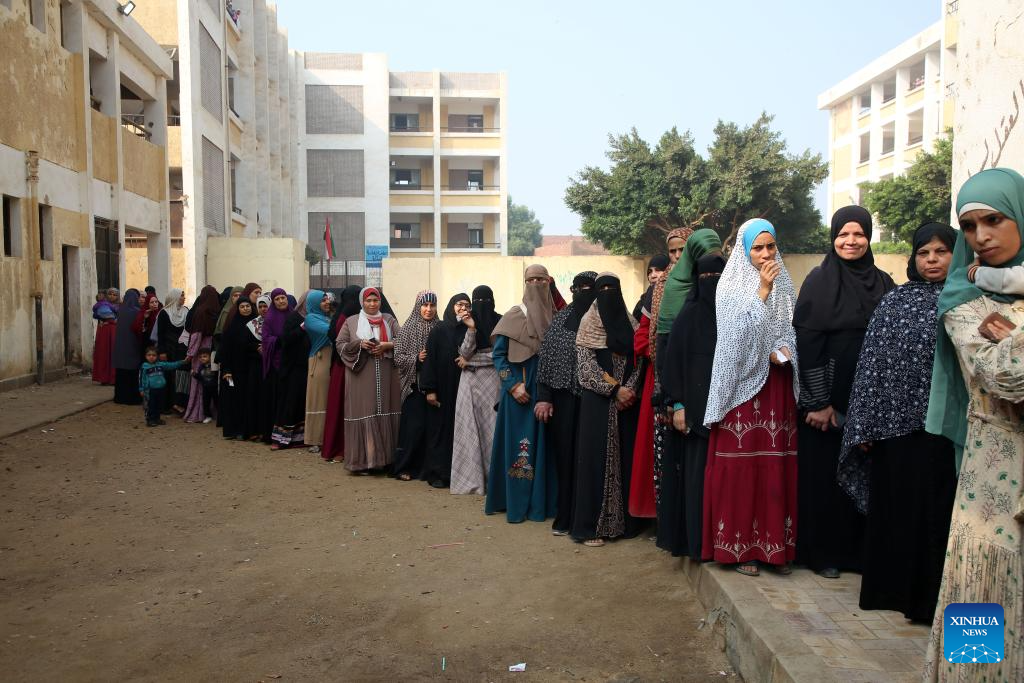
Cairo (EGYPT): Voting was held on Monday, November 10, in the first phase of Egypt’s 2025 parliamentary elections. It was conducted under tight security and strict administrative oversight. According to the National Elections Authority (NEA), more than 35 million voters were registered across 14 governorates, including Giza, Alexandria, Fayoum, Minya, Luxor, and Aswan.
A total of 568 out of 596 seats in the House of Representatives are being contested. The remaining 28 members will be appointed by President Abdel Fattah al-Sisi. Voting by Egyptians abroad was completed earlier on November 7–8 in 117 countries.
Egypt Parliamentary Elections: Two-Phase Electoral Process
The elections are being conducted in two stages.
- Phase One took place on November 10–11, with results to be announced by November 18.
- Phase Two will be held on November 24–25 in the remaining 13 governorates, including Cairo, and its results will be released by December 2.
Finally, the complete election results will be declared by December 18, allowing the new parliament to convene in January 2026.
Egypt Parliamentary Elections: Pro-Government Coalition Expected to Dominate
Egypt’s political arena remains tightly controlled. The Nation’s Future Party (Mostaqbal Watan), which leads the National List for Egypt, is expected to win a majority. The coalition includes several smaller pro-government parties that support President Sisi’s administration.
A hybrid electoral system is used. Half of the seats are filled through closed party lists, while the other half are decided by individual candidates. Moreover, 25% of seats are reserved for women, as required by the constitution.
Security and Administrative Controls
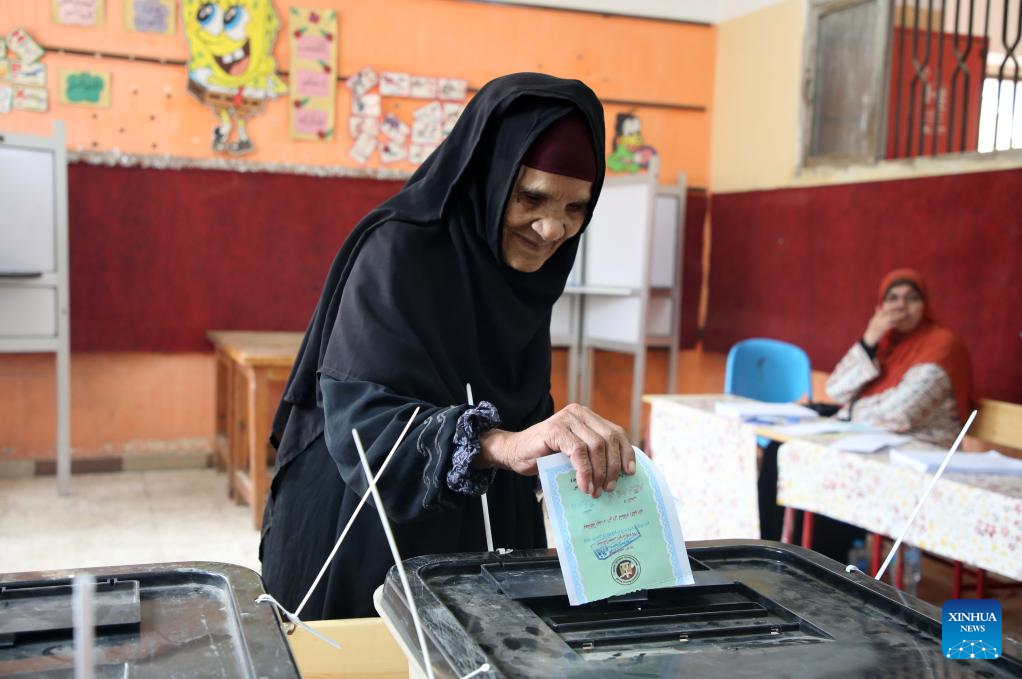
A comprehensive security plan was implemented by the Interior Ministry. More than 5,600 polling stations were secured by additional police forces. Medical tests for candidates — including drug and alcohol screenings — were mandated for the first time. Officials said the step was introduced to ensure transparency, yet many observers viewed it as another form of state control.
Limited Competition and Opposition Weakness
The election process has been criticized for its limited competitiveness. Opposition groups remain divided and under pressure, while independent candidates face financial and legal challenges. Rights organizations say real competition has been restricted through legal vetting and security interventions.
Critics believe the new parliament will be dominated by pro-Sisi lawmakers, giving the president strong legislative backing. They warn that this parliament could pave the way for future constitutional changes, possibly extending Sisi’s influence beyond 2030.

Economic Crisis and Public Discontent
The elections are being held amid severe economic challenges. High inflation, foreign currency shortages, and rising living costs have weighed heavily on households. The next parliament is expected to prioritize economic reforms, though many doubt meaningful change will occur.
Turnout is predicted to be low, echoing the 2024 Senate elections, when only 17% of voters participated. Analysts say this reflects public frustration, economic fatigue, and a lack of confidence in the political process.
Egypt Parliament: Majlis Al-Nuwab (House of Representatives)
Arab Parliament
Syria Parliament Election: Date sets for First Parliamentary Elections After Assad’s Fall
Iraq Parliament: Know about Iraqi PM Mohammed Shiaa al-Sudani’s new moves
https://parliamentjournal.com/2025/06/11/mohammad-bagher-ghalibaf-re-elected-as-iran-parliament-speaker-for-sixth-consecutive-year/