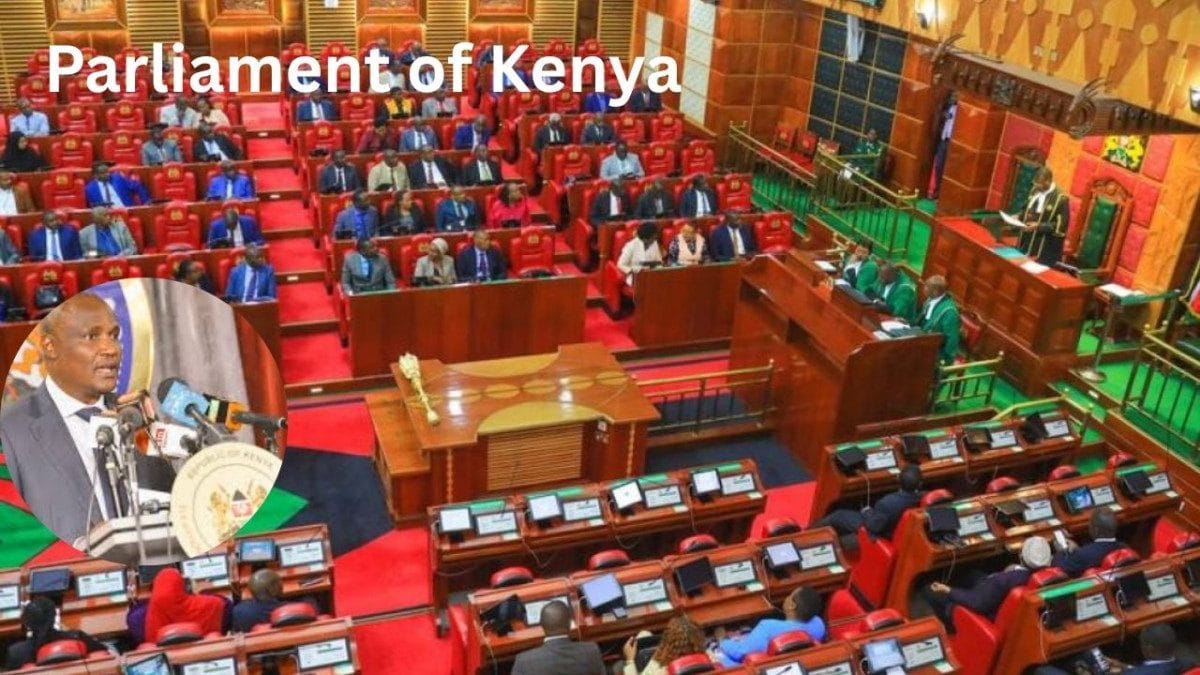
Nairobi (Kenya) – Kenya Parliament on Thursday approved the 2024/25 Finance Law through a voice vote. Lawmakers denied the Kenya Revenue Authority (KRA) unrestricted access to taxpayers’ data, citing privacy concerns and constitutional safeguards.
The proposal was part of this year’s Finance Bill. It faced strong public backlash over fears of privacy violations. The Parliamentary Finance Committee dismissed the clause, calling it “unnecessary and potentially unconstitutional.”
Kenya Parliament: Privacy Concerns Prompt Rejection
The committee’s report, released Monday, emphasized that existing laws already grant KRA access to taxpayer information. However, the process requires a court warrant.
“In light of these existing safeguards, the proposed provision is both unnecessary and potentially unconstitutional,” the report read.
Finance Minister John Mbadi defended the proposal. He said it was aimed at curbing tax evasion, especially among wealthy individuals. But lawmakers stood firm, siding with the public on privacy rights.
Kenya Parliament: No New Taxes in 2024/25 Budget
The Finance Bill, now cleared for presidential assent, seeks to raise an additional KSh 30 billion ($233 million). This will be achieved by enhancing tax compliance, not by introducing new taxes.
Last year, a similar finance bill triggered mass protests. More than 60 people died in clashes with security forces. President William Ruto later dropped a plan to raise KSh 346 billion in taxes.
To avoid a repeat of the deadly unrest, this year’s bill contains no tax hikes. Still, the government is under pressure to improve revenue collection amid rising debt obligations.
Kenya Parliament: KSh 4.29 Trillion Budget Unveiled
Finance Minister John Mbadi last week presented a KSh 4.29 trillion ($33 billion) national budget for the 2025/26 fiscal year. The budget spans from July 2025 to June 2026.
The budget focuses on infrastructure, healthcare, education, and debt repayment. A key goal is boosting tax compliance without burdening citizens with new levies.
What’s Next?
The approved finance law now awaits President Ruto’s signature. Once signed, it will take effect in the new fiscal year.
Kenya’s tax agency will continue using existing legal frameworks to access financial records—only with court approval.
The government hopes increased compliance will raise the targeted revenue without sparking public unrest.
Kenya Parliament official statement
The National Assembly has approved the mediated version of the Division of Revenue Bill (National Assembly Bill No. 10 of 2025), paving the way for the disbursement of Kshs. 415 billion to county governments as equitable share for the 2025/26 Financial Year.
This allocation reflects a Kshs. 10 billion increase from the National Treasury’s earlier proposal of Kshs. 405.1 billion, marking a 4.8 percent growth, following extensive deliberations by the Mediation Committee.
While lawmakers supported the enhanced allocation, the debate was dominated by calls for greater accountability in how counties utilize public funds.
Hon. Wilberforce Oundo expressed support for the figure but raised deep concerns about the actual impact of devolution at the grassroots level.
“Let me also join my colleagues in supporting the allocation of Kshs. 415 billion to the counties—with a lot of reservations,” he said. “The intention of devolution was to indeed have successful development in all parts of this country. As we stand today, many of the places in this country have not seen or appreciated the effects or impact of devolution.”
He added that while a few individuals have grown wealthy through county resources, ordinary citizens continue to suffer.
“Yes, there are a few billionaires that have been created in the counties, but many other people are wallowing in poverty, depression and in many challenges. Medical is a very major issue. We request that as we move forward, we call upon the Senate—they are the biggest letdown on issues of devolution.”
Hon. Sylvanus Osoro criticized county leadership for extravagance and misuse of resources.He advocated for structural reforms to strengthen oversight and empower ward-level representation.
“We need to empower the county assemblies. It’s about time we rethink how we can empower them—perhaps through Ward Development Funds. Otherwise, we are enriching one person who becomes a demigod. If you disagree with them, they mess up your life. It’s becoming very sad.”
Hon. Martha Wangari, while emphasizing the importance of financial support to counties, called for prioritization of primary healthcare services.
“What county governments should do are three simple things—ensure that dispensaries and health centres have a doctor or clinical officer and have medicine,” she said. “Because even as we legislate for SHA [Social Health Authority] to work, it will not work if the primary healthcare facilities are not working.”
The passage of the mediated Division of Revenue Bill brings counties closer to receiving funds for the upcoming fiscal year, but the debate in the House underlined the urgency of aligning financial allocations with measurable development outcomes.
The Bill now awaits assent by the President
Africa: BRIEF ON ACTIVITIES OF THE PAN-AFRICAN PARLIAMENT: MARCH – MAY 2025
Mohammad Bagher Ghalibaf Re-Elected as Iran Parliament Speaker for Sixth Consecutive Year
https://parliamentjournal.com/2025/06/19/burundi-parliament-election-ruling-party-wins-all-parliamentary-seats/